About The Tennis Time:Who We Are, Our Editorial Standards and Our Data
The Tennis Time is an independent reference for the ATP and WTA seasons. This page explains what we cover, where every figure comes from, how we treat estimates, and what happens when something on a page turns out to be wrong.
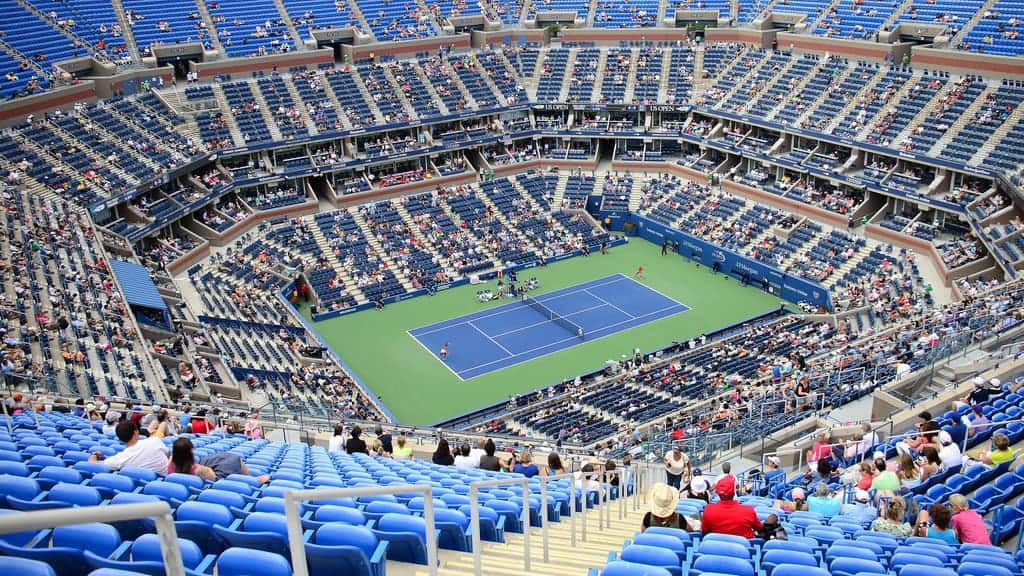
AI-generated image
Who we are
An independent tennis reference
In shortThe Tennis Time is an independent site about the ATP and WTA seasons. We have no ties to any tour, tournament, federation or player, and nothing here is an official publication of any of them.
The site exists because the facts of the tennis season are scattered. The calendar lives in one place, the prize money in a press release, the ranking in a database, and the history of a tournament in a dozen half-finished fan pages. We put those pieces next to each other and explain how they fit.
Editing is done by one named writer, Elliot Brannigan, who edits and fact-checks the site against official tour sources and tracks the calendar, rankings and records. Because we have no tie to any tournament, we can say plainly when a purse fell, when a draw shrank or when an official figure and a widely repeated one disagree.
We are also not a betting site. There are no odds, no tips and no promotions here, and none are planned for any page that carries tennis facts.
What we cover
The season, the money and the people
In shortThe calendar of both tours, the four Grand Slams, the big tournaments, the players who shape the season, prize money, coaches, and the rules and records behind it all.
In shortEvery figure comes from an official body where one exists, and is stored with its source and the date it was checked. Prose that depends on a figure reads it from that record, so the number and its date cannot drift apart.
A figure on this site is never typed into a sentence and forgotten. It is stored as a record with three parts: the value, the page it came from, and the day we looked. The card beside this text shows one such record as it is kept, with the prize money for a Masters 1000 champion.
Where tours and tournaments publish numbers, we use theirs: rankings from the ATP and WTA lists, which both tours update on Mondays, purses and cheques from the tournament and tour announcements, dates and venues from the event sites. News organizations such as Reuters, AP and the BBC are used to confirm results and to cover what officials do not publish. We do not cite Wikipedia or rival guides as sources.
Names, ages, birthplaces, family details and coaches come from official profiles or from what a player has said in public. We do not repeat gossip, health speculation or comments on appearance.
A stored figure, as we keep it
Figure
Indian Wells (ATP), 2026 singles champion's prize
Value
$1.15M
Source
atptour.com
As of
Oct 21, 2026
Estimates and imagery
What we call an estimate, and what we will not print
In shortAn official number is presented as a fact. A calculated or reported figure is shown as an estimate with its basis. A number we cannot trace to a source is left out.
How a figure is presented on The Tennis Time
Kind of figure
How we show it
Example
Official
Stated as fact, with source and date
Career prize money on a player's official tour profile
Estimate
Labeled as an estimate, with its basis and year
Net worth, drawn from public earnings lists such as Forbes
Unverified
Not printed
A coaching fee nobody has published
Net worth is the clearest case. Official career prize money is a number the tours publish, and it is only a part of what a top player earns, since endorsements and appearance fees sit outside it. Forbes and similar lists estimate the rest, and those estimates carry the year and the method that produced them. On our net worth page the two are kept apart, so an estimate never borrows the authority of an official figure.
The pictures follow the same rule of honesty. The scenes of courts, stadiums and equipment on this site are AI-generated, and each is marked with a visible AI-generated image label and described that way in its alt text. They show no sponsor. Player profiles open with a stylised AI illustration of the player, also labelled. Photographs of real players and venues come from Wikimedia Commons under open licences, and each is credited with its author and licence next to the picture or on the photo credits page.
How the data is kept current
A weekly rhythm built around the tour
In shortThe calendar is refreshed during tournament weeks. Rankings and prize data are reviewed weekly, and each page shows the date of the last full review in its footer.
Mondays
Rankings and prize data reviewed
Both tours publish a new ranking at the start of the week. We check the figures we store against the official lists and the latest tournament announcements.
Tournament weeks
Calendar refreshed
Draw sizes, dates, venues and surfaces can change while an event is under way or just before it. The calendar and the pages that read from it are refreshed through the week.
Every page
Review date in the footer
The footer states when the data on the page was last fully reviewed. If a figure on the page is older than that, the figure shows its own as-of date.
Corrections
How mistakes are handled
In shortWhen we find or are told of an error, we fix it and log the correction with its date on the page it concerns. A figure we cannot confirm is taken down.
Tennis data moves. A tournament changes its purse after the draw is published, a ranking is recalculated, a player switches coach in the week before a Slam. Some mistakes are ours, others are the result of an official source revising itself, and in both cases the page should say so.
A correction is made in the text itself. The page's updated date changes, and a short note states what was changed and on which day, so a reader who saw the earlier version can tell what moved. We do not quietly overwrite a number and leave no trace.
When two official sources disagree, such as a tournament release and a tour database, we use the more recent, name both, and mark the page with the day we checked. When no official source can settle it, we say the figure is unconfirmed or leave it out.
FAQ
About The Tennis Time: questions and answers
In shortSix questions readers ask about who runs the site and how its numbers are made.
Is The Tennis Time affiliated with the ATP, the WTA or any tournament?
No. The site is independent. We use no official logos, crests or typefaces, and nothing here is endorsed by a tour, a tournament or a player. When we quote a figure, we name the official body it came from so you can check it yourself.
Where do your tennis facts and figures come from?
From official sources first, meaning the ATP Tour, the WTA, the ITF, the Grand Slam tournaments and the individual tournament sites. Major news organizations fill gaps. Each stored figure carries its source link and an as-of date, and pages that depend on a figure show that date.
How do you handle net worth figures for players?
We show the official career prize money as the hard number, with its date. Any net worth number appears only as a clearly labeled estimate, with the basis it rests on and the year it covers. If we cannot give a basis, we leave the estimate out.
Are the images on the site real photographs?
Most pictures are AI-generated scenes of courts, stadiums and equipment, and each one carries a visible AI-generated image label. Player profiles open with a stylised AI illustration of the player, labelled as such. Photographs of real people come from Wikimedia Commons and are credited with author and licence on the photo credits page.
How often is the information updated?
The calendar is refreshed during tournament weeks as dates, draws and venues change. Rankings and prize money data are reviewed every week, and the footer of each page shows the date of the last full review.
What do you do when a page contains a mistake?
We fix it and record the change with its date on the page it concerns, so a reader can see what was wrong and when it was corrected. A figure we cannot confirm against an official source is removed rather than left standing.